A clinical-authority direction restimulated to lock onto the SALUS BEAUTY logo: blue + burgundy intertwined, Montserrat geometric sans matching the wordmark. Apple meets Mayo Clinic, dressed in the actual brand identity.
SALUS blue (#1B3A6B) + burgundy (#7A1F3D) pulled directly from the logo. Cool clinical neutrals replace warm cream.
Same family as the SALUS wordmark. Tight tracking. JetBrains Mono for numbers. Zero ornament.
Full-bleed surgeon portrait. Credentials over flourish. Authority through restraint.
Ranges for non-surgical. "Individually planned" for surgery. No hiding.
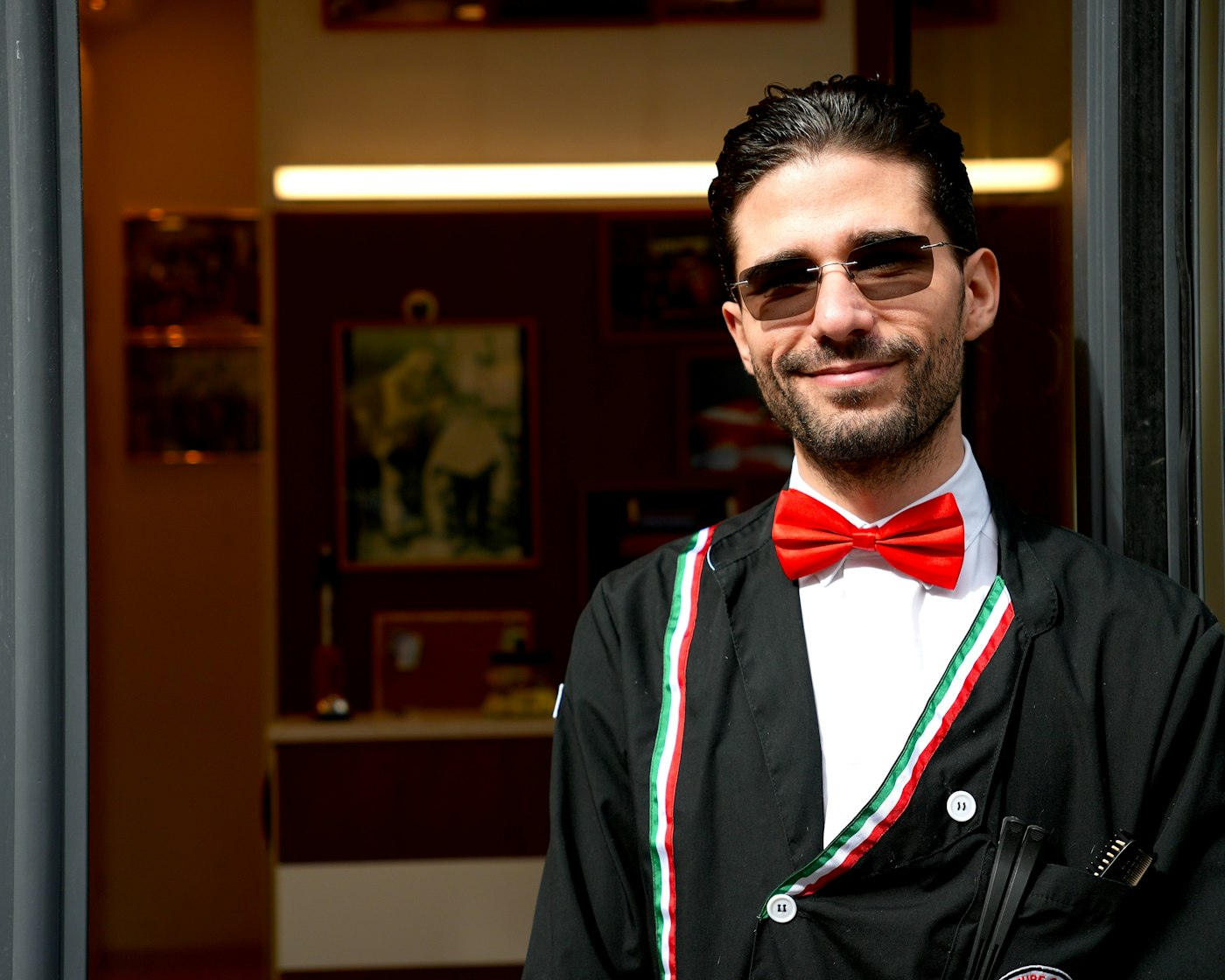
Surgical and non-surgical aesthetic procedures organized by anatomical focus. Select a category to review the procedures within.
Documented outcomes from recent BeautySalus procedures. Filter by procedure type. All results shown with patient consent per European medical advertising law.
Aesthetic surgery is a discipline of millimeters. The difference between natural and overdone comes down to surgical precision, anatomical understanding, and the restraint to know when to stop.
At BeautySalus, we combine European surgical training with a deep commitment to documented, repeatable outcomes. Every procedure is planned, executed, and measured against established clinical benchmarks.
Every surgical plan begins with detailed anatomical mapping using 3D imaging and photographic simulation.
We use only surgical techniques supported by peer-reviewed European and American aesthetic surgery literature.
Every result is photographed at 3, 6, and 12 months post-operation. Continuous improvement drives our protocols.
Dr. Stajka brings a rare dual specialization to aesthetic surgery: formally trained in both ENT (Otorhinolaryngology) and aesthetic surgery, she combines facial anatomical precision with the artistic restraint that defines natural-looking results.
Her clinical practice sits inside Spitali Italian Salus — a fully equipped hospital with dedicated anesthesiology, intensive care, and emergency infrastructure. This hospital affiliation is the structural difference between BeautySalus and standalone aesthetic clinics.
Dr. Stajka works alongside our visiting Italian Professors and the broader Spitali Salus surgical team for complex cases requiring multidisciplinary expertise.
A clinical four-step process. Each phase has documented protocols, defined timelines, and dedicated team members.
Initial assessment via video call. Review your goals, medical history, and candidacy. Personalized information packet delivered before your in-person visit.
Duration: 30 minutesPhysical examination, photographic documentation, 3D imaging where indicated. Surgical plan developed with anesthesiology review for safety clearance.
Duration: 60-90 minutesPerformed inside Spitali Italian Salus with full hospital infrastructure. Dedicated surgical team, anesthesiologist, and post-operative nursing support.
Duration: Procedure-specificStructured follow-up at 1 week, 1 month, 3 months, 6 months, and 12 months. Photographic documentation and outcome assessment at each visit.
Duration: 12 monthsVideo testimonials from real patients, documented 6 months post-procedure. Every testimonial references procedure, surgeon, and outcome.
"I chose BeautySalus because the hospital affiliation meant I wasn't trusting a standalone clinic. Dr. Stajka's approach felt like medicine, not marketing."
"Ninety-minute consultation. She told me what she would NOT do — not just what she could. That restraint is exactly what I wanted."
"Friends notice I look refreshed but can't pinpoint what changed. This is the result I wanted but did not know how to ask for."
Non-surgical treatments are priced by session. Surgical procedures are individually planned and priced at consultation — fully disclosed, never afterwards.
Starting prices. Final pricing depends on treatment area and volume.
BeautySalus is not a standalone aesthetic clinic. It is a department inside Spitali Italian Salus — a full hospital. This structural difference is the most important thing you need to know.
Most aesthetic clinics are standalone facilities. They perform surgery in private surgical suites with limited infrastructure. If something goes wrong — anesthesiology emergency, hemorrhage, cardiac event — they lack the in-house resources to respond.
BeautySalus is different. Every procedure is performed inside Spitali Italian Salus, a fully equipped hospital with the following infrastructure, on-site, 24/7:
The questions our consultants answer most often. Nothing hidden.
Consultations are available in person at our Tirana facility or virtually from anywhere. Our team responds personally within four hours.
Why this version differs from V1. Backed by Apple, Mayo Clinic, and modern clinical authority design research.
V1 uses a lifestyle model photo. V2 puts Dr. Stajka's B&W portrait full-bleed as the hero. The surgeon IS the trust signal for research-driven patients.
V1 uses Cormorant Garamond italic (classical). V2 uses Inter Bold Display (contemporary precision) + JetBrains Mono for stats. Different voice entirely.
V1 is cream and antique gold (luxury). V2 is white and forest green (clinical authority). Green signals medicine without being generic blue.
V1 uses 2 columns (Women/Men) with category subsections. V2 uses a tabbed interface (Face/Breast/Body/Non-Surgical) with stat cards. Different information architecture.
V1 uses dark editorial click-to-reveal blur. V2 shows a clean filterable before/after grid with split-screen preview. Direct, clinical, confident.
V2 adds a dedicated educational section ("Why Results Differ") not present in V1. Positions the surgeon as scientist-educator, not just provider.
V1 has an artistic portrait with a warm narrative. V2 has a rigorous timeline (2008-2014 Med School, 2014-2018 Residency, etc.) with certification badges.
V1 has a warm 5-step editorial timeline. V2 has 4 clinical process cards with specific durations ("60-90 minutes") and protocols. Engineering over art.
V1 uses editorial pull-quote testimonials. V2 uses video testimonial cards with play buttons, durations, and 6-month post-op timestamps. More evidence-based.
V1 hides all pricing ("Consultation required"). V2 shows a clean pricing table with starting prices for 6 non-surgical treatments + "individually planned" for surgical. Builds trust through transparency.
V2 has a dedicated "closing argument" section making the hospital affiliation the central sales point. V1 mentions it but does not make it the structural argument.
V1 uses editorial FAQ with large italic questions. V2 uses a clean accordion with numbered questions and technical answers. Research-driven patients prefer this.
V1 uses a centered cream CTA with ornamental form. V2 uses a split layout (contact methods left, form right) on dark forest green — more information-dense.
Every stat, process number, and pricing figure uses JetBrains Mono monospace. This single typographic choice adds clinical precision to every data point.